
Together, we nurture resilience, connection, and wellbeing.
Polyvagal and Trauma Informed Care
Polyvagal and Trauma Informed Care

At Arbor Integrative Services, we believe that everyone has the potential to lead a fulfilling and meaningful life. Using the Polyvagal Theory, we support our clients with safety, connection and regulation to help them unlock their potential and achieve their goals.
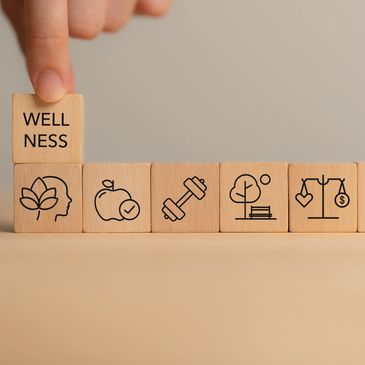
We offer a wide range of counseling services, evaluation, and parent coaching delivered with a comprehensive multidisciplinary team to support our clients in achieving optimal well-being.

We take a holistic approach to counseling using the Polyvagal Theory, focusing on the mind, body, and spirit. Our counselors are trained in a variety of evidence-based techniques and therapies to help our clients achieve optimal mental health.

I’m a Licensed Clinical Social Worker and Diplomate with the American Academy of Experts in Traumatic Stress. I graduated from Rutgers University as a member of the Phi Alpha honor society with a master's in social work and a Certificate in Violence Against Women and Children. I have a deep commitment to supporting individuals who are he
I’m a Licensed Clinical Social Worker and Diplomate with the American Academy of Experts in Traumatic Stress. I graduated from Rutgers University as a member of the Phi Alpha honor society with a master's in social work and a Certificate in Violence Against Women and Children. I have a deep commitment to supporting individuals who are healing from trauma, stress, and difficult life experiences. Over the years, I’ve helped clients move from feeling overwhelmed or disconnected to feeling grounded, empowered, and more at ease in their daily lives. My work centers on compassion, collaboration, and creating a safe, supportive environment where you can explore your story at your own pace.
My practice is trauma‑informed and guided by polyvagal theory, the science that helps us understand how our nervous system responds to stress, connection, and safety. I integrate this framework with evidence‑based modalities such as Cognitive Behavioral Therapy (CBT), mindfulness‑based interventions, and relational therapy. Together, we intentionally work to regulate the nervous system, build resilience, and reconnect with a sense of internal safety. I focus on helping you understand your patterns, process experiences, and develop practical strategies that support lasting emotional well‑being.
In our work together, you can expect a space that is non‑judgmental, supportive, and centered around your goals. I believe therapy should feel grounding and collaborative, an active partnership that helps you reconnect with your strengths and values. Sessions are paced according to your needs, offering both structure and flexibility as y
In our work together, you can expect a space that is non‑judgmental, supportive, and centered around your goals. I believe therapy should feel grounding and collaborative, an active partnership that helps you reconnect with your strengths and values. Sessions are paced according to your needs, offering both structure and flexibility as you explore challenges and discover new paths forward. My hope is that you leave each session feeling heard, supported, and more equipped to navigate the world with confidence.

Individual therapy provides a supportive, one-on-one environment where clients work collaboratively with a therapist to explore thoughts, emotions, behaviors, and patterns. This integrative approach combines evidence-based methods including Cognitive Behavioral Therapy (CBT), Dialectical Behavior Therapy (DBT), mindfulness practices, and insights from polyvagal theory to support healing, personal growth, and emotional regulation.
Family therapy is a collaborative process that brings together family members to improve communication, resolve conflict, and strengthen relationships. This integrative model draws on Cognitive Behavioral Therapy (CBT), Dialectical Behavior Therapy (DBT), mindfulness, and polyvagal theory to support healthy family dynamics, emotional regulation, and connection.
At Arbor Integrative Services, clinical supervision is a collaborative, trauma‑informed process that blends evidence‑based practice with reflective learning. Supervisors provide formative teaching, restorative support, and normative guidance to ensure ethical, effective care. Through case consultation, skills practice, and structured feedback, clinicians develop competencies in assessment, treatment planning, intervention delivery, documentation, and risk management, always with cultural humility and client safety at the center.
Parent coaching is a collaborative, strengths-based process designed to support caregivers in developing effective, compassionate parenting strategies. Drawing on principles from Cognitive Behavioral Therapy (CBT), Dialectical Behavior Therapy (DBT), mindfulness, and polyvagal theory, this approach helps parents understand both their child’s behavior and their own responses—building more attuned, emotionally connected, and resilient family relationships.
Educational advocacy empowers families to ensure that children receive the support, accommodations, and opportunities they need to succeed in school. This approach goes beyond paperwork and meetings—it combines practical advocacy with a deep understanding of a child’s emotional and neurological needs.
Our comprehensive Assessment & Evaluation services are designed to help individuals, families, and caregivers gain insight into emotional, behavioral, and relational challenges. Whether you're seeking support for a child, teen, or adult, our goal is to provide a clear, compassionate, and thorough understanding of what’s going on—so that we can create a plan that truly fits your needs.
We provide structured, strengths-based assessments that may include: